Using "Who Am I?"
Cognitive recovery can be achieved on the condition that the normal psychological mechanisms of self-awareness and self-identity are maintained.
It is common for stroke survivors with cognitive impairments to have disruptions in self-awareness or self-identity. That is why they need psychological support alongside cognitive rehabilitation.
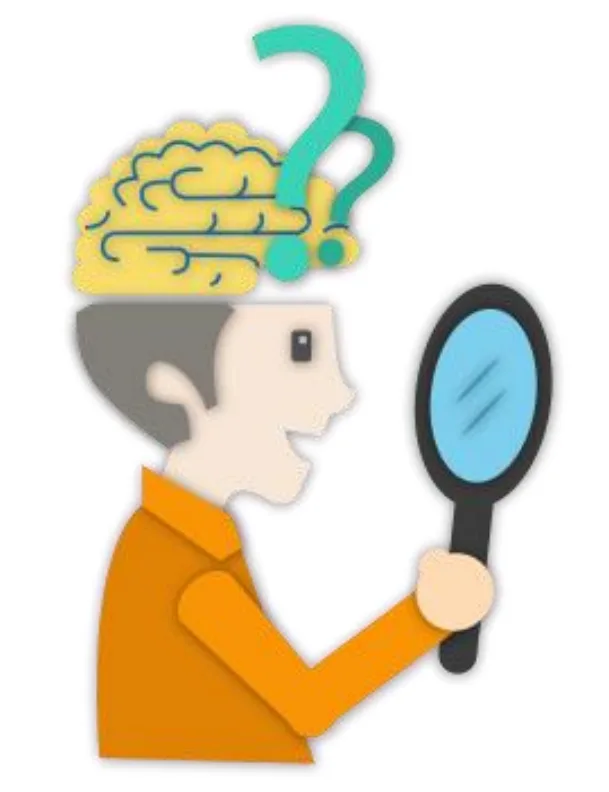
A technique to help reconstruct self-awareness and self-identity
One technique is to remind patients about themselves, every time before starting the home-based cognitive trainings, by having them read or listen to a personal statement that includes the following.
- Personal history
Their life story, family and work
- Strengths/weaknesses
What they are good at and what they struggle with
- Current status
How they are doing now
- Who they were before stroke
What kind of person they were before the stroke
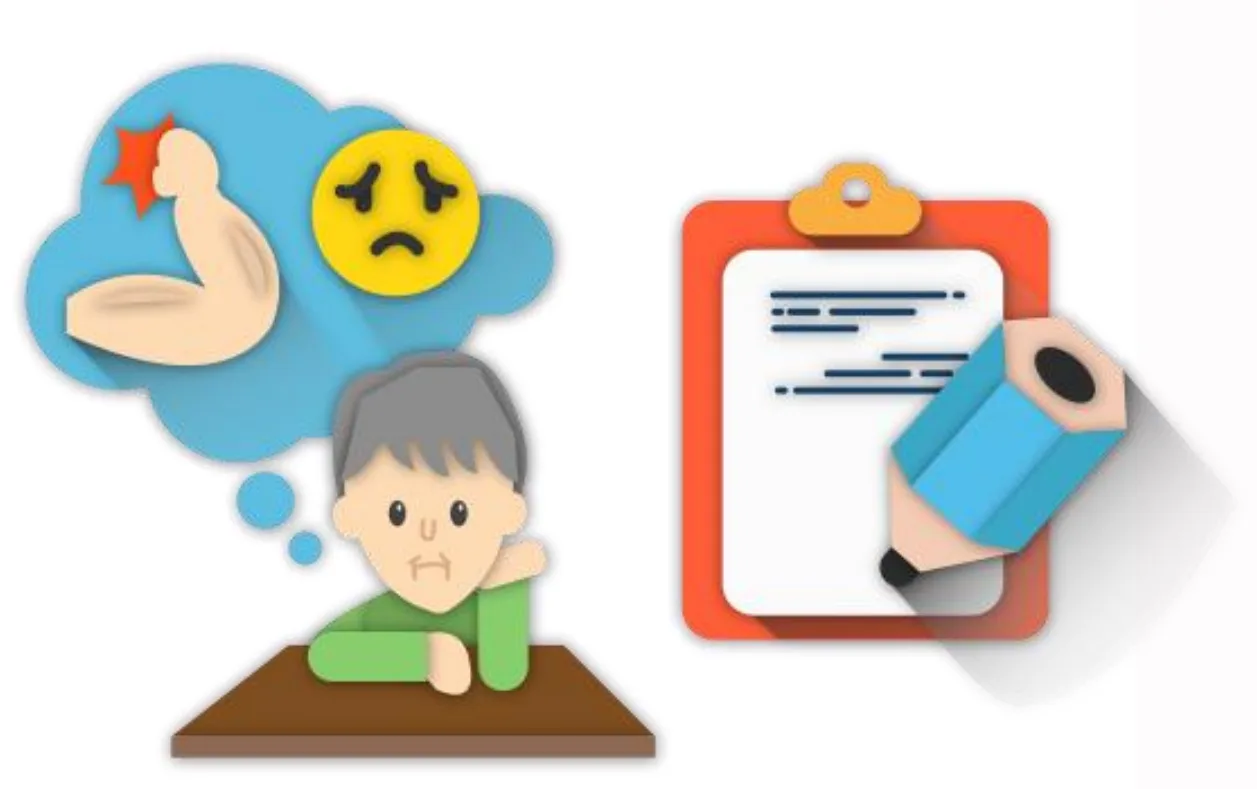
Example: Who am I?
What you can expect
Once self-awareness and self-identity are reconstructed in this way,
- the patient becomes more motivated for cognitive rehabilitation and follows the trainings better, and
- it is said to have a positive effect on relationships with other people as well.